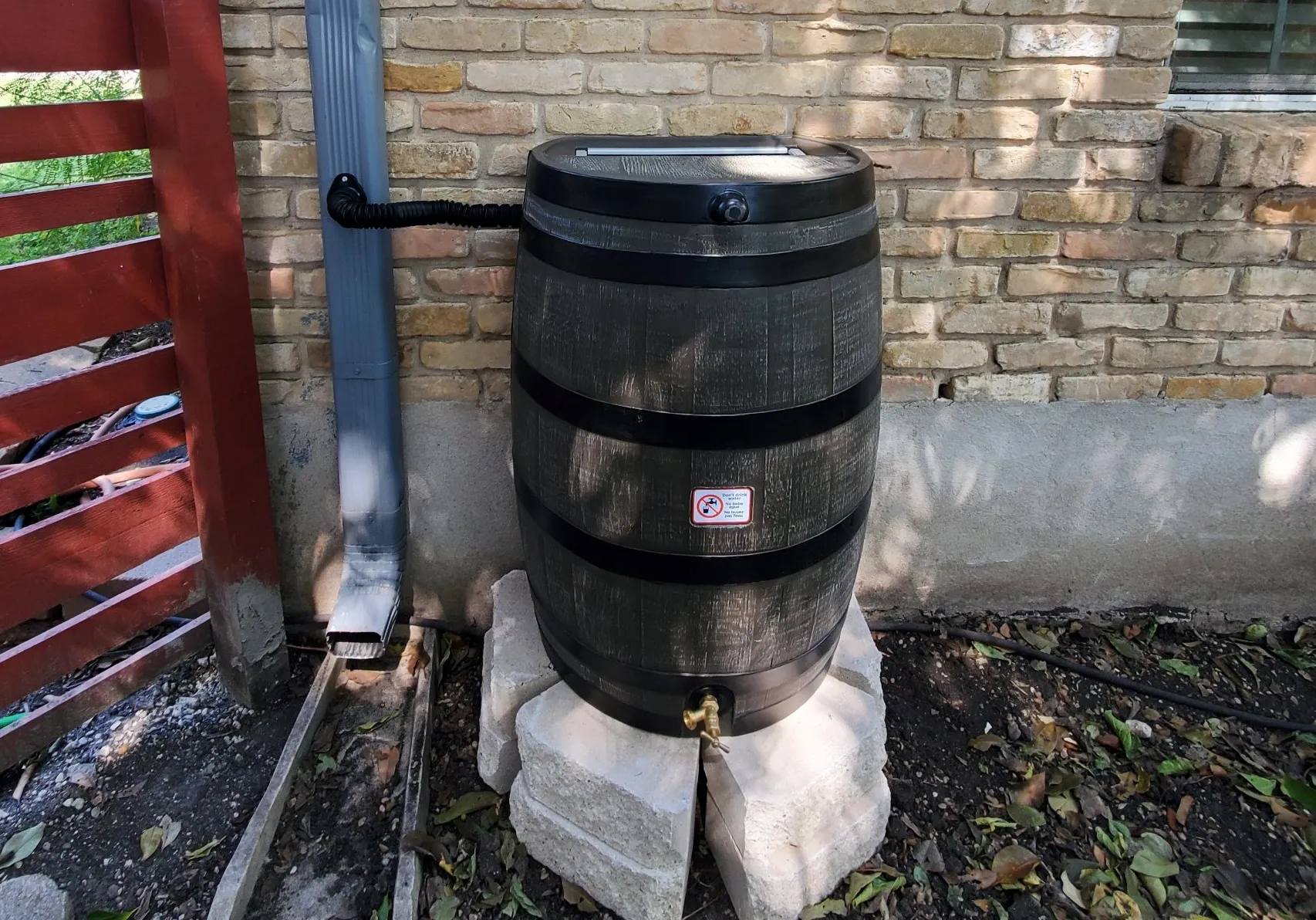
Texas weather tends to arrive in extremes. Weeks of dry heat, then a storm that drops more water on your roof in an hour than your yard can soak up. Rainwater collection evens that out. A rain barrel or water collection tank catches roof water from your gutters during the downpour and holds it for the dry stretch, so your beds, trees and garden draw on stored rain instead of the tap.
Here’s how much water a Texas roof can actually collect, the difference between barrels and tanks, why your gutters decide how well any system works, and the state laws that make rainwater collection in Texas easier than most people expect.
How much rain a Texas roof can collect
A roof collects far more water than most people guess. According to the Texas Water Development Board, a rainwater system can collect approximately 0.62 gallons of water per square foot of roof area, per inch of rainfall. On a 2,000 square foot roof, one inch of rain works out to about 1,240 gallons in theory.
Real systems catch somewhat less. The same TWDB guidance notes that some water is always lost to first flush, evaporation, splash-out, overshoot from gutters and leaks. Even so, the numbers are big. A single 1-inch storm on an average house can fill a standard rain barrel many times over, which is why so many Texas homeowners start with one barrel and later add a second barrel or move up to a tank.
That volume is also the reason the topic matters to your monthly bill. In summer, a large share of household water goes outdoors to keep plants alive. Every gallon of stored rain you use on the yard is a gallon you don’t buy from the utility. How much you save depends on your rates, your roof, your storage size and how often it rains, so we won’t promise a dollar figure. What we can say is that captured rain is free once the system is in place.
Rain barrels vs. water collection tanks
Rain barrels and water collection tanks do the same job. The difference is size. Barrels are compact and sit at a single downspout. Tanks are larger storage vessels that can collect thousands of gallons a year from houses, barns and businesses. If you are deciding how much storage you need, our guide to choosing the right size collection tank works through it by roof area. Here are the main options we install.
Top-fed rain barrels
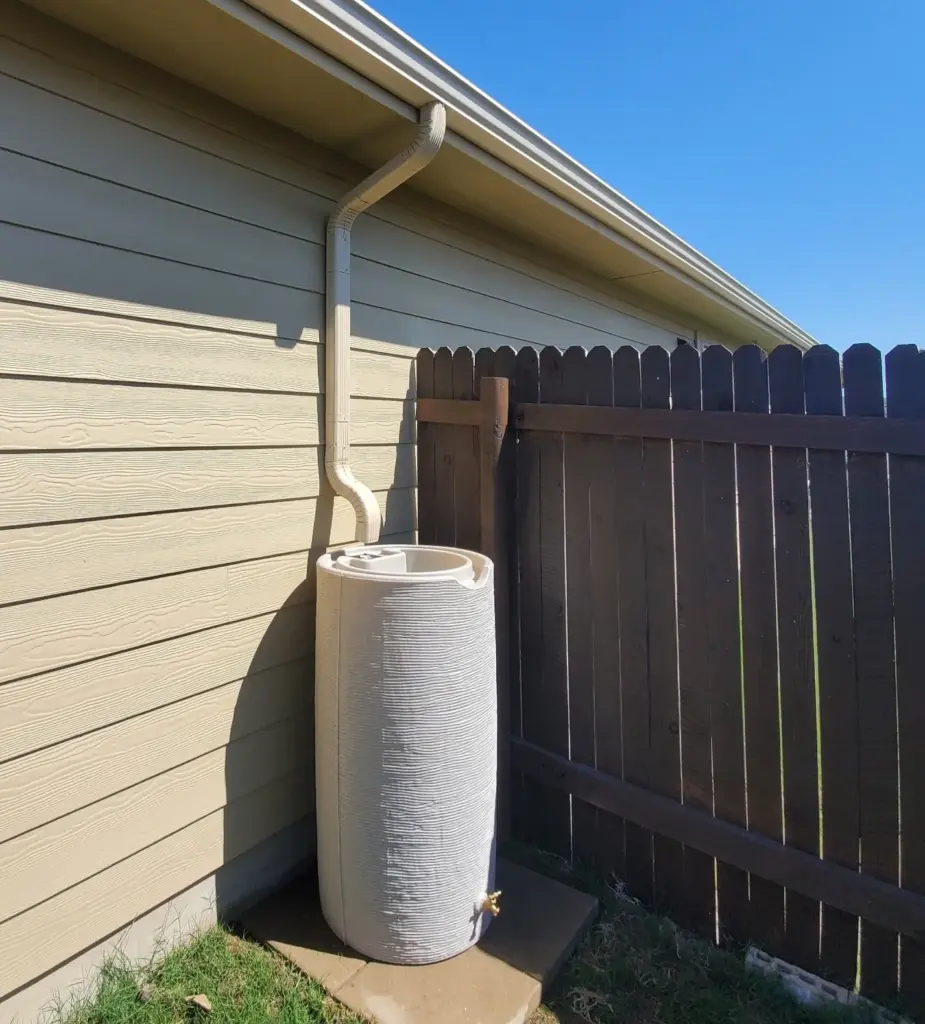
A top-fed barrel has an opening on top, which makes it the simplest kind to tie into. The downspout is cut to drop straight over the top, with no special fittings. You can buy one with or without a screen to keep leaves out, and some come with a planter on top for a more finished look.
Side-fed rain barrels
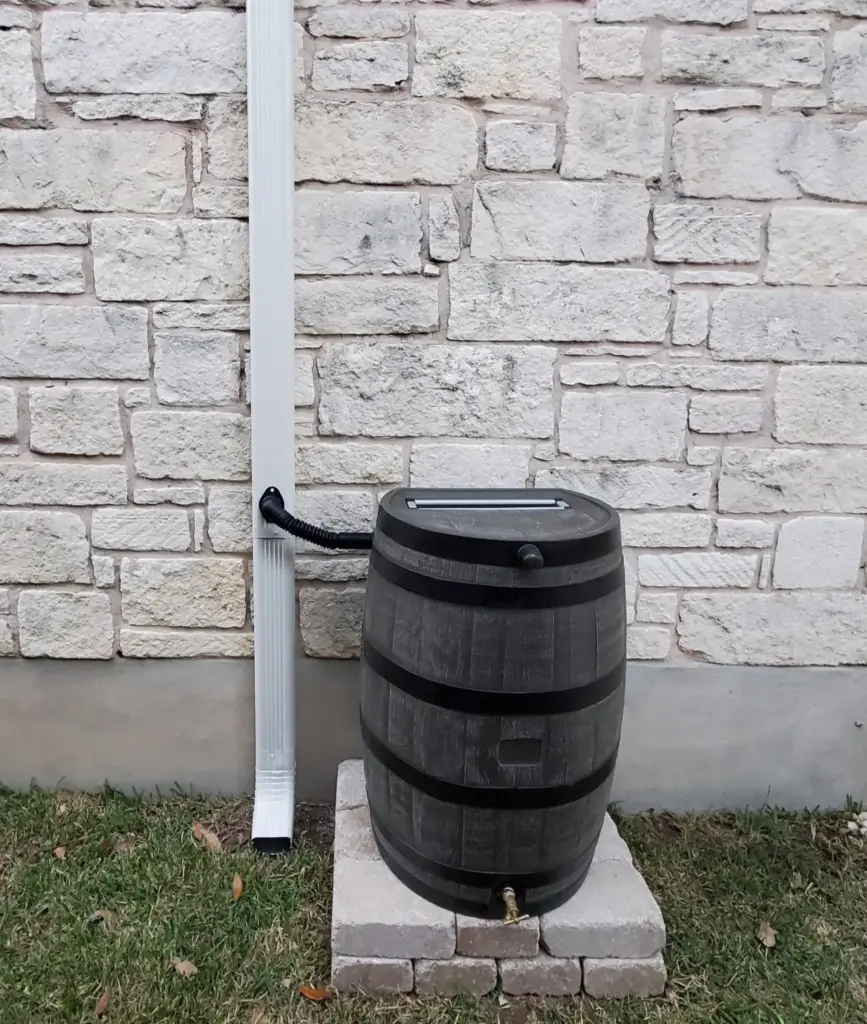
A side-fed barrel connects to any downspout with a diverter kit. The diverter sends water into the barrel until it’s full, then shuts off so rain flows down the downspout as usual. Diverter kits come in 2×3 and 3×4 sizes to match common downspouts.
Designer rain barrels
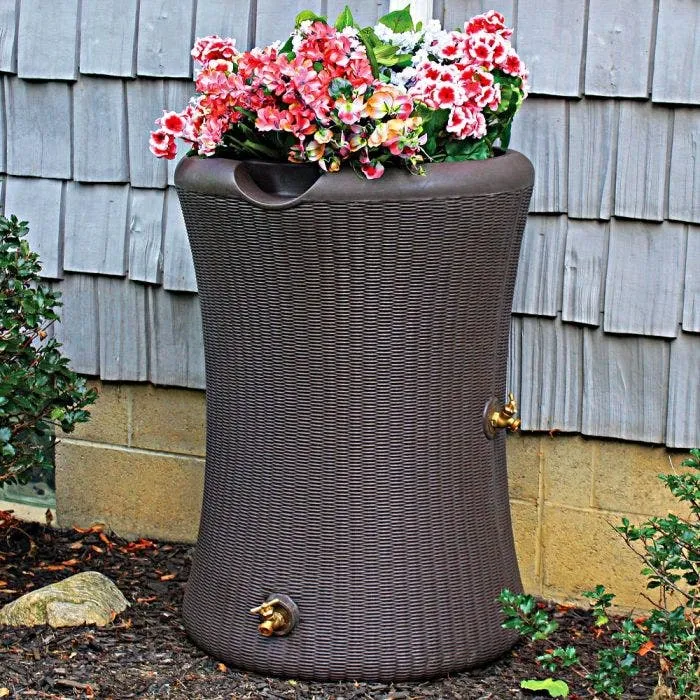
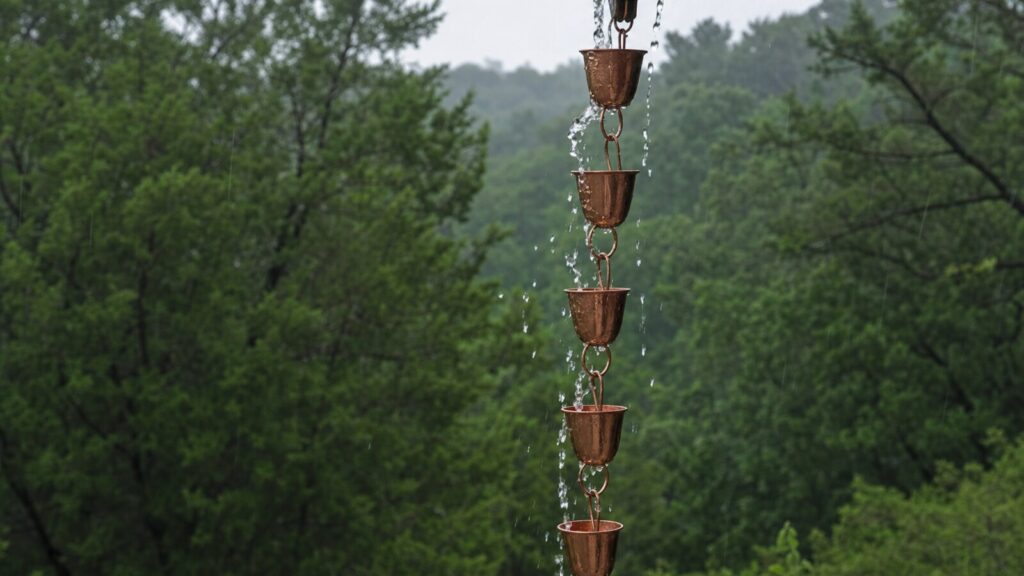
A rain barrel doesn’t have to look like a plastic drum. Designer barrels come in shapes and finishes that fit into a garden bed or patio. Placing one where it catches the most water and also works as a focal point is a nice way to make conservation part of the yard instead of something you hide behind the house.
Water collection tanks
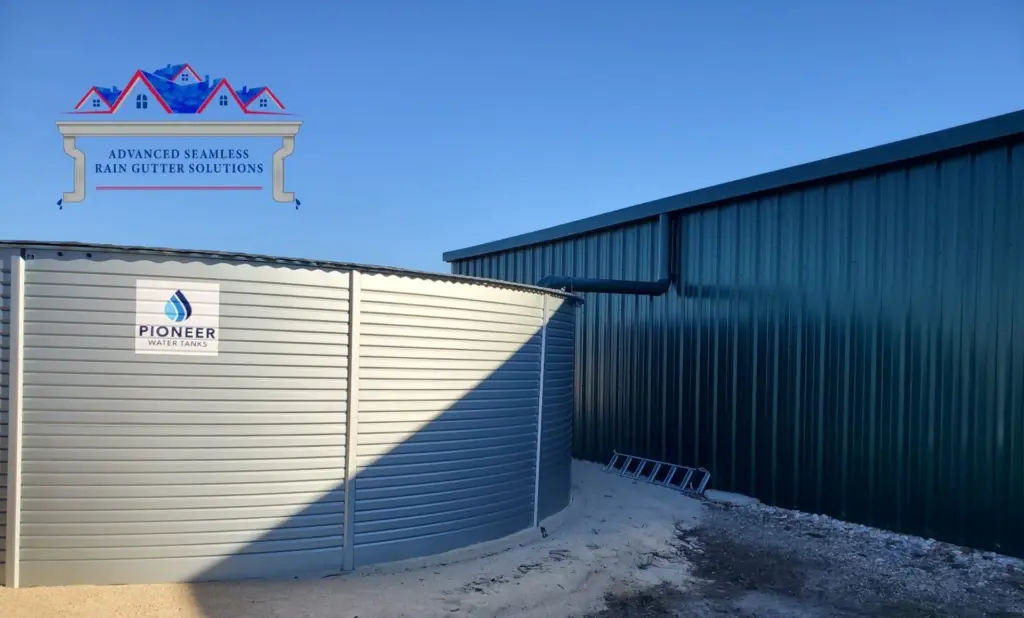
Collection tanks are the right fit when you want serious storage for gardens, acreage, livestock or a long dry summer. They can be fed from several downspouts at once. Tanks need a level, solid pad and a planned overflow, because a full tank in a big storm still has to send extra water somewhere safe.
Why your gutters matter as much as the barrel
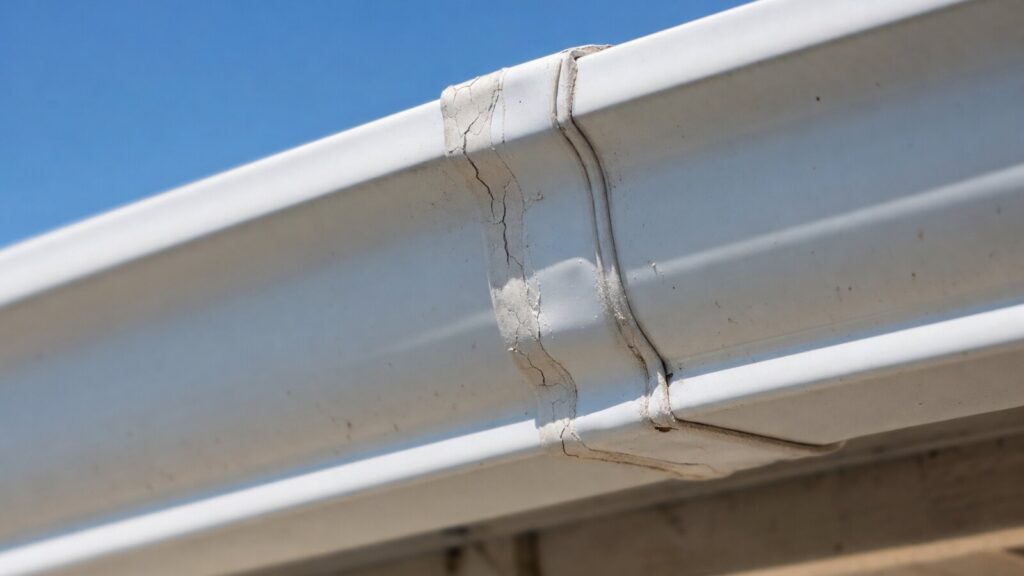
A rainwater system can only store the water your gutters deliver. If gutters leak at the seams, overflow in a hard rain or clog with leaves, a good share of the roof water never reaches the barrel. That’s why we look at the whole path, from the roof edge to the tank inlet.
Seamless gutters help here. Each straight run is formed on-site as one continuous piece, with joints only at corners and end caps, so there are fewer places for water to drip out before it reaches the downspout. Downspout placement matters too. We can add or move a downspout so it feeds the barrel where you actually want it, rather than wherever the old system happened to drain.
Keeping debris out is the other half. A screen at the barrel inlet and leaf protection on the gutters keep leaves and grit out of stored water. If you’re planning a system, you can see the rain barrel and tank setups we install, from a single barrel to a multi-downspout tank.
Texas law is on your side
Rainwater collection in Texas is legal and the state actively encourages it. A few laws are worth knowing before you buy.
- No state sales tax on equipment. TWDB notes that Texas Tax Code section 151.355 exempts rainwater harvesting equipment and supplies from state sales tax.
- Possible property tax relief. Under Tax Code section 11.32, local taxing units may choose to exempt part or all of the assessed value of property with water conservation improvements, including rainwater harvesting. Whether yours does is up to your local taxing unit.
- Limits on HOA bans. Texas Property Code section 202.007 keeps property owners’ associations from banning rain barrels and rainwater harvesting systems. Associations can still set reasonable rules on things like size, type and screening for barrels visible from the street.
Some water utilities also offer rebates. Austin Water, for example, lists a rainwater harvesting rebate of up to $5,000 based on storage capacity for its customers. Programs and amounts change, so check your own utility’s current rebate page before you buy. And if you ever want to use harvested rain for drinking or indoor use, that’s a different, treated system with its own rules. Check with your city or water district first.
Where harvested rain pays off at home
Stored rainwater is best used outdoors. It’s soft, free of the chlorine in tap water, and plants do well on it. Most homeowners use theirs for:
- Watering vegetable gardens, flower beds and young trees between storms
- Keeping foundation plantings and shrubs alive during summer watering restrictions
- Rinsing tools, pots and outdoor gear
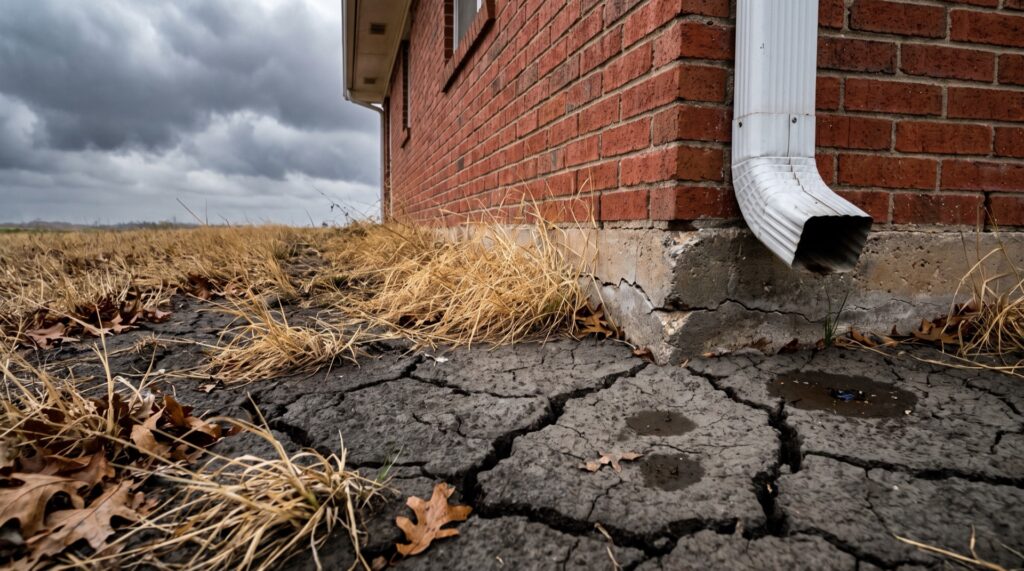
There’s a second benefit people overlook. Every gallon that goes into a barrel is a gallon that isn’t pouring onto the soil next to your slab. On the expansive clay common around Central Texas, that runoff is part of what makes the ground swell and shrink against a foundation. A collection system paired with a well-placed overflow helps keep that water where you want it.
Keeping a rainwater system working
Rain barrels and tanks need a little care, but not much. Plan on a quick check in spring and again in fall.
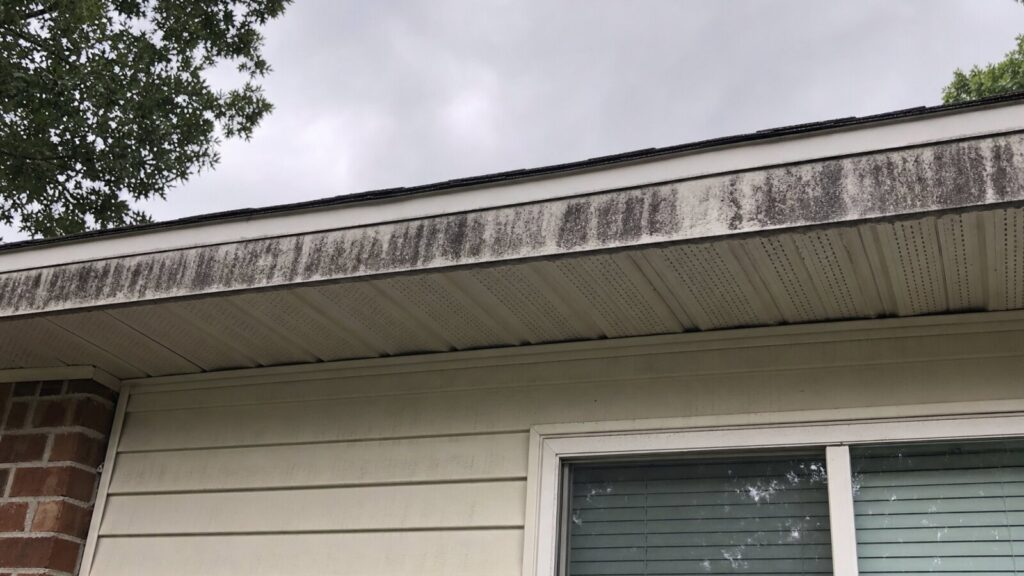
Clean the gutters and the inlet screen so leaves don’t rot in the stored water. Make sure the lid and screens are tight, because open water is where mosquitoes breed. Our post on standing water and mosquitoes in Central Texas gutters covers why a sealed system matters. Check that the overflow still carries extra water away from the house, not back toward the foundation.
Central Texas freezes are rare but they do happen. When a hard freeze is in the forecast, drain barrels or disconnect diverters so trapped water can’t crack fittings. We cover the full routine in our guide to preparing rain gutters and rain barrels for a freeze.
Thinking about rain barrels or a tank?
The best system is the one sized to your roof, your yard and how you plan to use the water. Gutters Made Easy is a family-owned company based in Kyle, with owner Tyler Smith bringing more than 20 years of gutter and sheet-metal experience. We fabricate gutters on-site, so we can set up the gutters and downspouts to feed your barrels or tank the right way from the start.
To talk through options, take a look at our rain barrel and collection tank options or call us at (512) 881-9204 for a free estimate.