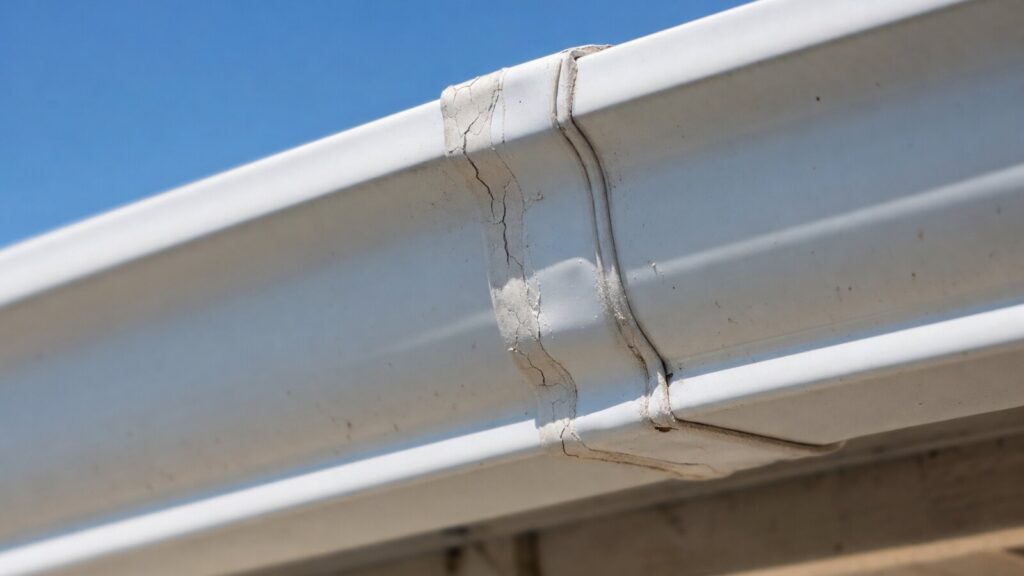
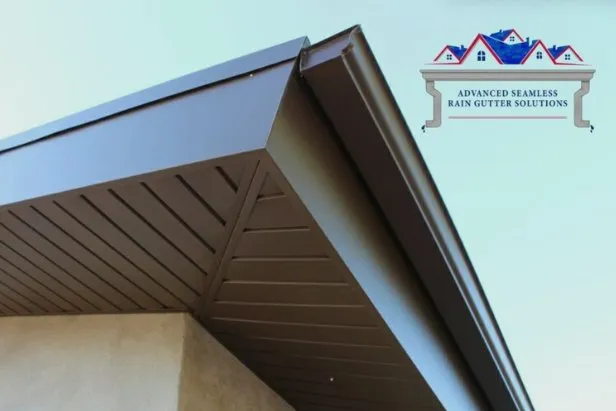
A fascia wrap is a thin covering of factory-painted aluminum (or sometimes vinyl) that’s bent to the exact shape of your fascia board, the long board along the edge of your roof that your gutters hang from. The wrap sheds rain and sun so the wood underneath stays dry and never needs paint again. You’ll also hear it called fascia cladding, fascia capping, fascia covers or metal fascia. Same idea, different names.
If you’ve ever paid to have a two-story roofline scraped and repainted, only to watch it peel again a few summers later, you already understand why people wrap their fascia. Below we’ll cover what the fascia actually does, how a wrap is installed, how aluminum compares to vinyl and plain paint here in Central Texas, and when wrapping is the wrong call.
What fascia is and why it needs protection
The fascia is the vertical board that caps the ends of your roof rafters or trusses along the eaves. It does three jobs at once. It closes off the roof edge so birds, wasps and rain can’t get into the attic, it gives the roofline a clean finished look, and it’s the board your gutter hangers screw into. That last job matters more than most people realize, because every gallon your gutters carry is hanging off that one board.
On most Central Texas homes the fascia boards are painted wood or a wood composite. Wood is a fine material as long as it stays dry. According to the USDA Forest Products Laboratory’s Wood Handbook, serious decay only happens when wood’s moisture content climbs above the fiber saturation point (about 30%), and fully air-dried wood that stays at or below 20% moisture “should provide a reasonable margin of safety against fungal damage.” The handbook also notes that dry wood only reaches that wet range when it’s hit by rain or condensation.
That’s the whole case for wrapping wood fascia in one sentence: keep rain off the wood and the wood doesn’t rot. Paint does that job for a while. Metal does it for decades.
The board right behind your gutter has it tougher than any other piece of exterior trim. It gets splashed every time a gutter overflows, soaked when a seam leaks, and baked on the south and west sides of the house through a long Texas summer. Paint on that board cracks first, and once water gets into a crack it sits behind the gutter where you can’t see it.
How fascia wrapping works
Fascia wrap is usually made from coil stock, a roll of pre-painted aluminum trim. The installer cuts it to width and bends it on a sheet-metal brake so it matches the profile of your fascia, including the bottom lip that turns under toward the soffit. Each piece is fitted tight to the board, overlapped at the joints so water runs over the seam instead of into it, and fastened with small color-matched trim nails.
Two details decide whether the installation protects the wood or traps water against it:
- The top edge has to tuck under the drip edge. The drip edge is the metal flashing at the edge of the shingles. If the wrap sits on top of it instead of behind it, rain running off the roof can slip behind the metal and soak the wood you were trying to protect.
- The wood has to be sound before it’s covered. Wrapping over a soft, rotted board just hides the problem. Any rotted sections should be cut out and replaced first, and the new wood should be dry.
Once the fascia is wrapped, the gutters go back up over it. That’s why the best time to wrap fascia is when you’re replacing gutters anyway. With the old gutters off, the installer can see every inch of the board, fix soft spots, wrap it cleanly and hang the new gutter on fresh metal. When we install seamless gutters, we can wrap the fascia in aluminum at the same visit, which saves taking the gutters down twice.
Aluminum vs vinyl vs repainting wood in Central Texas
There are really three ways to protect a fascia board: wrap it in aluminum, cover it with vinyl, or keep painting the wood. Here’s how they compare for a home in Hays, Travis, Comal or Bexar County.
| Option | How it holds up here | Upkeep | Things to know |
|---|---|---|---|
| Aluminum fascia wrap | Doesn’t rot, rust or need paint. Handles heat and UV well with a baked-on finish. | Rinse occasionally. Check that nails and seams stay tight. | Can dent if a ladder leans on it hard. Color can be matched to gutters and trim. |
| Vinyl fascia cover | Won’t rot and never needs paint. | Very low. | Vinyl moves more with temperature than aluminum, so it has to be installed with room to expand. Fewer color choices. |
| Painted wood | Looks traditional and is easy to repair in small sections. | Needs scraping and repainting on a regular cycle, and painting around a hanging gutter is awkward. | The paint film is the only thing standing between rain and bare wood. |
For lifespan, InterNACHI’s life expectancy chart puts aluminum gutters, downspouts, soffit and fascia at 20 to 40+ years, and general exterior trim at about 25 years. The difference is what happens in between. Aluminum mostly just sits there. Painted wood needs work every few years to reach the end of its life in good shape.
In our experience aluminum is the better fit for most homes around Kyle, Buda, San Marcos and New Braunfels. Our summers are long and hot, and the sun hammers the south and west sides of a house. A baked-on aluminum finish shrugs that off, and you can order it in a color that matches your gutters so the whole roof edge reads as one clean line. On homes with vinyl siding and vinyl soffits, the wrap can be matched to those too, which gives the roofline a finished appearance from top to bottom.
Why fascia wrap matters most behind the gutters
A wrapped fascia and a good gutter system work as a team. The gutter catches the water and moves it to the downspouts. The wrap makes sure the occasional splash, drip or overflow lands on metal instead of wood.
That matters here because Central Texas rain comes in bursts. The National Weather Service’s Austin climate summary puts the average at around 35.5 inches a year, with May, October and June the wettest months. A lot of that falls in short, heavy storms. Even a well-sized gutter can overflow for a few minutes during a cloudburst, and that’s exactly when water hits the fascia.
Wrapping also protects the screws and hangers. Gutter hangers are fastened through the fascia, and every hole is a spot where water can follow the screw into the wood. A tight aluminum wrap covers the face of the board, so the only openings are the fasteners themselves, and those sit under the gutter where very little water reaches.
Common problems with fascia covers
A fascia wrap isn’t magic. Most of the trouble we see with wrapped fascia comes from how it was installed, not from the material itself. Watch for these:
- Wrap over rotten wood. The metal looks fine from the street while the board behind it turns soft. A sagging gutter or a wavy wrap is often the first clue.
- Wrap on top of the drip edge. Water runs behind the metal and stays there, which is worse than no wrap at all.
- Loose or popped nails. Aluminum expands and contracts with our big temperature swings. Nails that weren’t set right can work loose and let the trim rattle in the wind.
- Oil canning. That’s the wavy look you get when wide flat metal is nailed too tight. It’s cosmetic, but it’s avoidable.
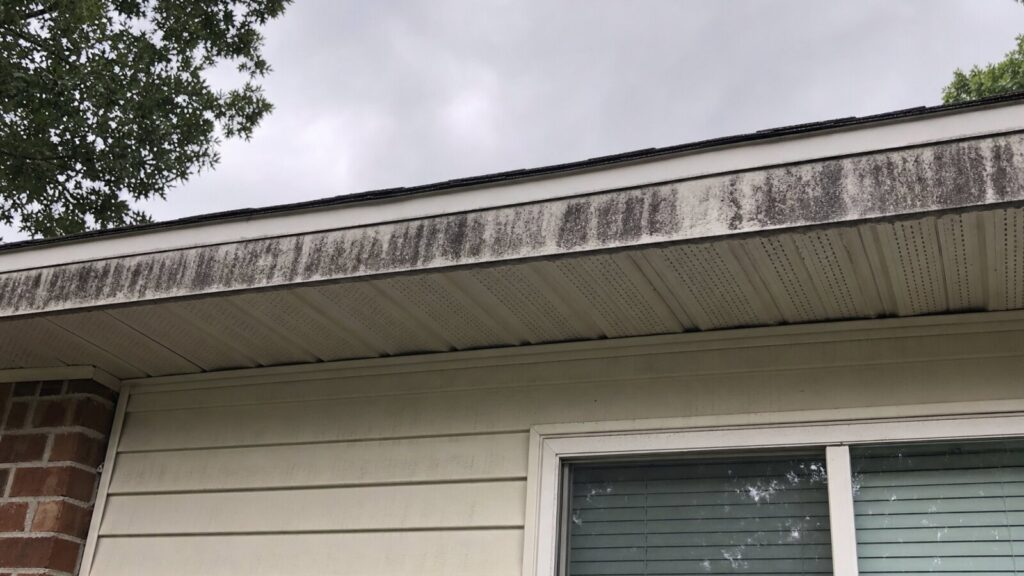
If your fascia is already showing stains, peeling paint or soft spots, start by figuring out where the water is coming from. Our guide to spotting and fixing fascia water damage walks through the usual causes, from overflowing gutters to a missing drip edge.
Is fascia wrap worth it for your home?
For most homes, yes, but not every home. Wrapping makes the most sense when:
You’re tired of repainting. If the fascia paint peels every few years, especially on a two-story house where painting means ladders or a lift, a wrap ends that cycle.
You’re replacing gutters anyway. The gutters are coming down, the board is exposed, and the labor overlaps. This is the cheapest moment to do it.
The wood is still mostly sound. A few soft sections can be replaced before wrapping. A roof edge where most of the fascia is rotted needs new boards first, and that’s a bigger job.
Wrapping may not be the right choice on a historic home with detailed, decorative trim that you want to keep visible, or where a homeowners association requires painted wood. In those cases, good gutters, a proper drip edge and a regular paint schedule do the job.
It’s also worth thinking about how long you’ll be in the house, and whether a roofing project is coming up, since new shingles and new drip edge are a natural time to redo the fascia too. If you plan to stay ten years or more, the math usually favors aluminum because you skip several rounds of painting. If you’re selling soon, a fresh coat of paint on sound wood may be all you need.
How Gutters Made Easy handles fascia wrap
Gutters Made Easy is a family-owned gutter company in Kyle, and owner Tyler Smith has more than 20 years of hands-on experience with rain gutters and sheet metal. When we look at a roof edge, we check the fascia before we talk about anything else, because a gutter is only as solid as the board it hangs on. If the wood is sound, we wrap it. If it isn’t, we tell you plainly what needs replacing first.
Our seamless gutters are fabricated on site to fit your home, backed by a lifetime manufacturer warranty on materials and a 10-year guarantee on our workmanship. If you’d like to see what wrapped fascia would look like on your house, request a free fascia wrap quote or call us at (512) 881-9204.
Common questions about fascia wrap
What is the difference between fascia and soffit? The fascia is the vertical board along the roof edge where the gutters attach. The soffit is the horizontal panel underneath the overhang, between the fascia and the wall. Both can be covered in aluminum or vinyl, and they’re often done together.
Can you wrap rotted fascia? You shouldn’t. Wrapping hides rot but doesn’t stop it, and the gutter screws will eventually pull out of soft wood. Rotted sections should be cut out and replaced with new lumber before the wrap goes on.
Does fascia wrap come in different colors? Yes. Pre-painted aluminum trim comes in a wide range of colors, so the wrap can match your gutters, your trim or your soffit for a clean, continuous roof edge.
Is fascia wrap the same as drip edge? No. Drip edge is flashing installed with the roof that directs water off the shingles. Fascia wrap covers the face of the board below it. The wrap should tuck up behind the drip edge so water can’t get between them.
How long does aluminum fascia wrap last? InterNACHI estimates aluminum soffit and fascia at 20 to 40+ years. A properly installed wrap over sound, dry wood usually lasts as long as the gutters that hang on it.