Some gutter repair jobs are perfectly reasonable to do yourself, and some aren’t worth the risk. Clearing debris, flushing a downspout, resealing a leaky end cap and reattaching a loose downspout strap are fair game on a single-story home. Anything on a second story, a sagging run that needs re-pitching, rotted fascia, or a damaged section of a seamless gutter is usually a job for a pro.
The honest answer comes down to three things: how high the work is, what kind of repair it is, and whether the problem keeps coming back. Here’s how to sort your situation, what each route really costs you, and a few Central Texas conditions that turn small gutter problems into bigger ones.
Repairs most homeowners can handle
The repairs that make sense as DIY share a few traits. They happen at or near ground level, they don’t change how the gutter is hung, and if you get them slightly wrong, nothing bad happens. On a one-story house with level ground and a sturdy ladder, these are all reasonable:
- Basic gutter cleaning: scooping leaves and twigs out and rinsing the gutter with a hose
- Flushing a slow downspout, or pulling it apart at the bottom elbow to clear a clog
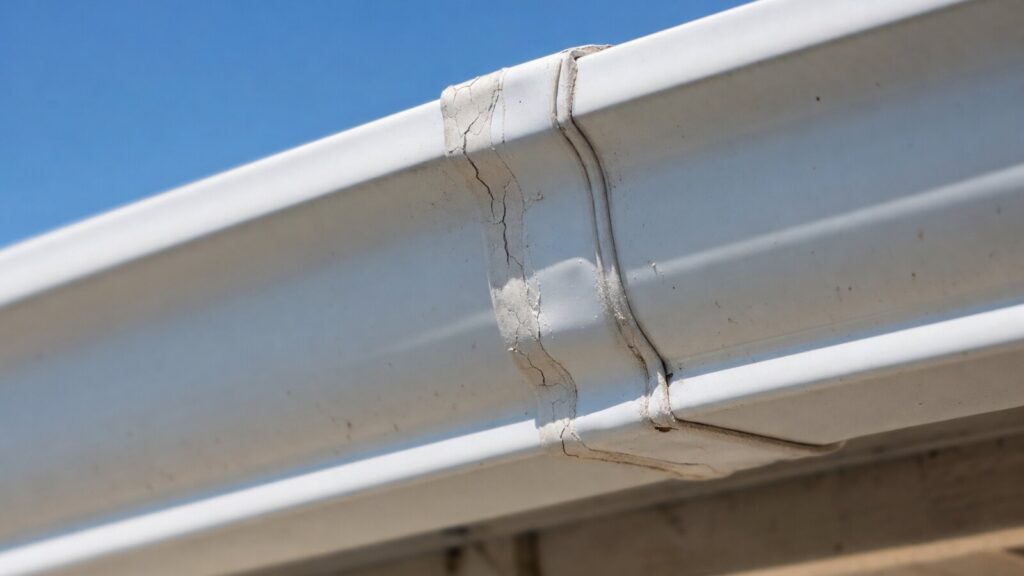
- Resealing a dripping end cap or inside corner with gutter sealant made for the job
- Reattaching a downspout strap or bracket that pulled loose from the wall
- Adding a splash block or downspout extension to move water away from the slab
Resealing deserves one caution. Sealant only bonds to a clean, dry surface, so scrape out the old bead and let the metal dry fully before you apply the new one. Sealing over dirt or old caulk is the most common reason a DIY patch fails by the next storm.
Repairs better left to a pro
Other repairs look simple from the ground and aren’t. These are the ones where a mistake costs more than the repair would have:
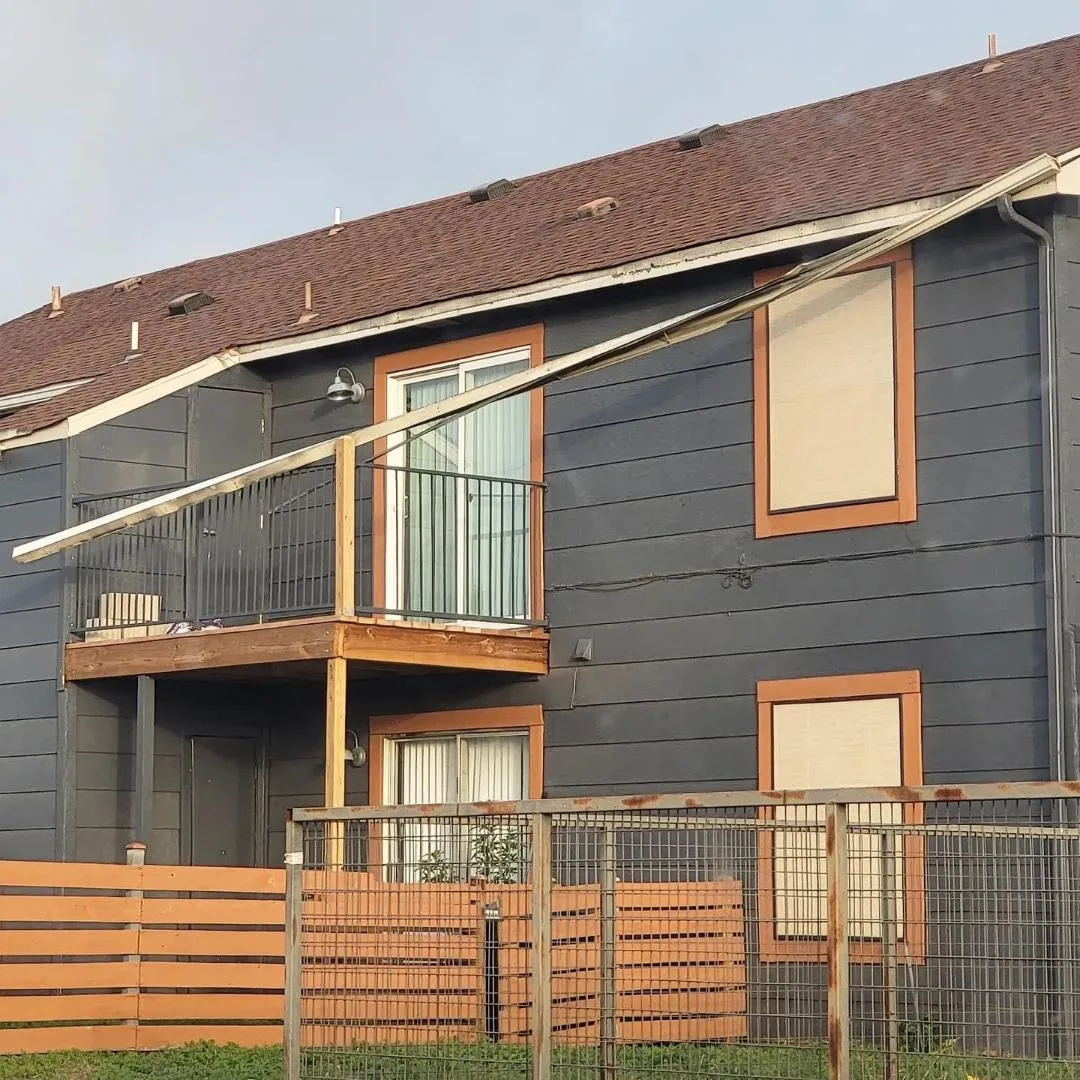
- Any work on a second story, a steep roof or uneven ground
- A sagging run that has to be re-hung at the right slope toward the downspout
- Soft or rotted fascia, the board your gutters hang from, which has to be fixed before new hangers will hold
- A crushed, split or hail-dented section on a seamless gutter
- Gutters that overflow even when they’re clean, which points to sizing or downspout problems
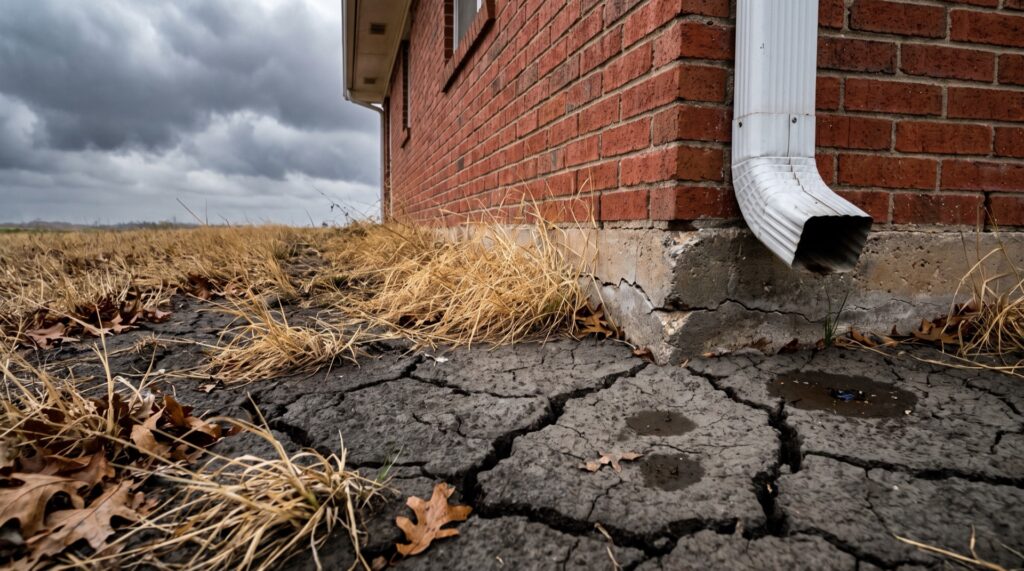
The common thread is that these involve the structure of the gutter system, not just its contents. Re-pitching a run means taking it down, checking the fascia and re-hanging every hanger on a measured line. Get the slope wrong and water pools in the middle, which is exactly the problem you were trying to fix, and the overflow keeps soaking the ground near your foundation.
The ladder is the real risk

Most DIY gutter work happens on a ladder, and ladders hurt a lot of people. A national study in the American Journal of Preventive Medicine estimated that U.S. emergency rooms treated an average of about 136,000 ladder injuries a year from 1990 through 2005. Of the cases where the location was recorded, 97.3 percent happened outside work, at places like homes and farms, and fractures were the most common injury.
That’s the real cost line in the DIY column. If you go up, set the ladder on firm, level ground, keep three points of contact, don’t lean out past the rails, and have someone at the base. On a two-story house, the reach and the angle get much harder to manage safely, which is why we put second-story work in the pro column no matter how simple the repair is.
Our climate adds one more factor. The National Weather Service notes that normal highs in Austin reach 90 degrees by late May and stay above 90 until late September. Shingles and metal gutters get much hotter than the air in direct sun, so summer repairs are best done early in the morning, both for your safety and because sealant cures poorly on scorching metal.
What DIY really costs compared with hiring out
DIY looks free because there’s no labor on the bill, but it isn’t. You’ll pay for a ladder that’s tall enough and stable enough, sealant, fasteners, maybe a hanger or two, and often a second trip to the hardware store. You also pay with a weekend, and with the risk of doing it twice.
A professional repair costs labor, and that’s the honest trade. What the labor buys is a diagnosis as well as a fix. An experienced installer will notice that the leak you called about is really a sagging run, or that the fascia behind it is soft, before it turns into a bigger repair. Good installers also stand behind their work in writing, which a weekend patch never does.
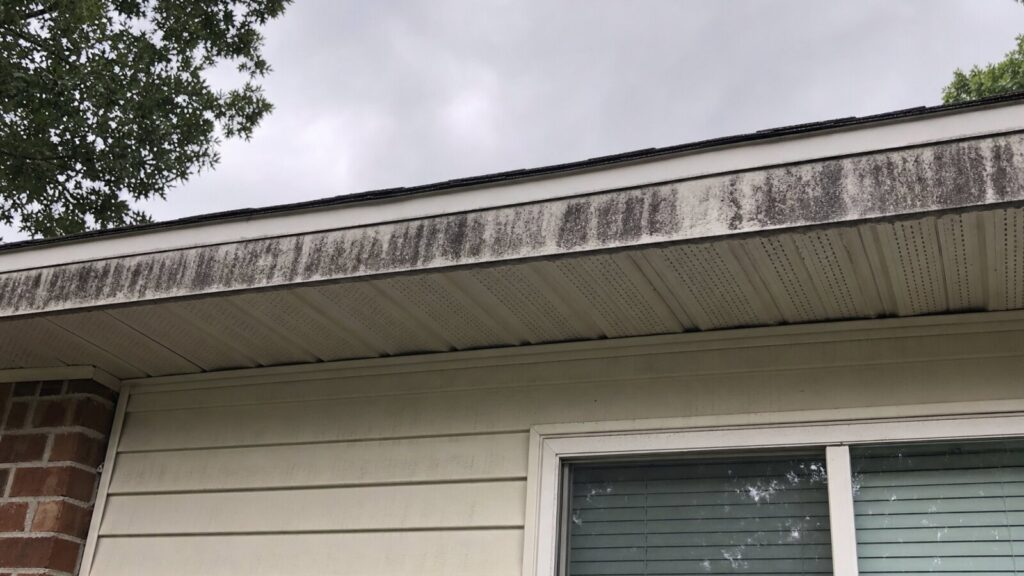
Where DIY tends to backfire is the middle ground: screwing new hangers into rotted wood, using the wrong sealant on a joint that moves with the heat, or patching a seamless run with a short store-bought section. Each of those can cost more to undo than the original repair would have cost, and a hidden leak behind the gutter can cause water damage to fascia and siding before anyone notices.
Why seamless gutters change the DIY math
Seamless gutters are fabricated on-site as one continuous run for each section of your roofline, so the only joints are at the corners and downspouts. That’s the main reason they leak less than sectional gutters. It also means you can’t easily buy a matching piece off the shelf when one section gets damaged.
Splicing a short sectional piece into a seamless run adds two new seams, and seams are where gutters leak. The profile and color often won’t match either. The better fix for a crushed or badly dented seamless section is usually a new run fabricated to length. If your gutters are still under an installer’s workmanship guarantee, call that installer before you modify anything, since a DIY alteration can complicate a warranty claim.
Central Texas conditions that make small problems grow
A few local conditions are worth knowing because they decide whether a small issue stays small. Summer heat breaks down gutter sealant faster than most people expect, and we explain why Texas heat cracks gutter seam sealant in a separate guide. Spring brings hail, since the NWS lists March through May as Austin’s main severe weather season, and hail can dent gutters badly enough to change how they drain.
Then there’s the rain itself. When a storm drops several inches in a few hours, a slightly clogged or slightly sagging gutter fails all at once. If yours spill over in heavy rain, our guide to figuring out why gutters overflow helps you pin down the cause before you pick up a tool.
A simple way to decide
Ask yourself three questions. Is the work reachable from a ladder on a single story with firm, level ground? Is it a contents problem, like debris or a loose strap, rather than a structure problem like slope or rotted wood? Is this the first time it’s happened? If all three answers are yes, DIY is a reasonable call. If any answer is no, you’ll likely spend less in the long run by having it done right once.
When a repair crosses that line, our professional gutter repair and maintenance service covers re-hanging and re-pitching sagging runs, fascia repair, resealing, downspout work and replacing damaged sections. Gutters Made Easy is family-owned and based in Kyle, and owner Tyler Smith brings more than 20 years of hands-on experience with rain gutters and sheet metal. New gutters we install carry a lifetime manufacturer materials warranty and our 10-year workmanship guarantee.
If you’re not sure which side of the line your repair falls on, schedule a repair visit or call (512) 881-9204. We’ll tell you plainly whether it’s something you can handle yourself.
Common questions about DIY gutter repair
Can I fix a leaking gutter seam myself? Often, yes. Clean the joint, let it dry completely and apply a sealant made for gutters. If the same seam leaks again within a season, the joint is likely moving or the gutter is sagging, which needs a structural fix.
Is it safe to work on second-story gutters from a ladder? It’s where most of the risk is. The reach and angle are harder to manage, and a fall from that height is far more serious. Second-story work is a good place to hire out.
Should I choose gutter repair or replacement? Repair when the problem is isolated, like one leaking corner or a loose downspout. Replacement makes more sense when leaks, sags and rust show up in several places, or when the gutters are too small for the roof.
What sealant should I use on aluminum gutters? Use a sealant labeled for gutters and metal, not general-purpose household caulk. Gutter sealants are made to stay flexible as the metal expands and contracts in the heat.