
Gutters protect your home from flooding only when they can move water from the roof to a safe spot away from the house. When they clog, sag or leak, that water spills right at the base of your walls, where it soaks the soil against the foundation, floods beds and patios, and can find its way into a garage or crawlspace. The fix is simple: a little gutter maintenance at the right times of year.
Central Texas doesn’t have one gutter season. We get a spring leaf drop, spring storms, a hot summer, a wet fall and the occasional hard freeze. This guide walks through what to check in each season, how to clean gutters safely, and the signs that a gutter needs more than a cleaning.
Why gutter maintenance prevents flooding
A roof sheds a surprising amount of water, and the gutters have to carry all of it. The Texas Water Development Board puts the figure at about 0.62 gallons per square foot of roof for every inch of rain. On a 2,000 square foot roof, a 1-inch storm sends about 1,240 gallons into your gutters. In Central Texas, where storms can drop 2 or 3 inches in an afternoon, that number climbs fast.
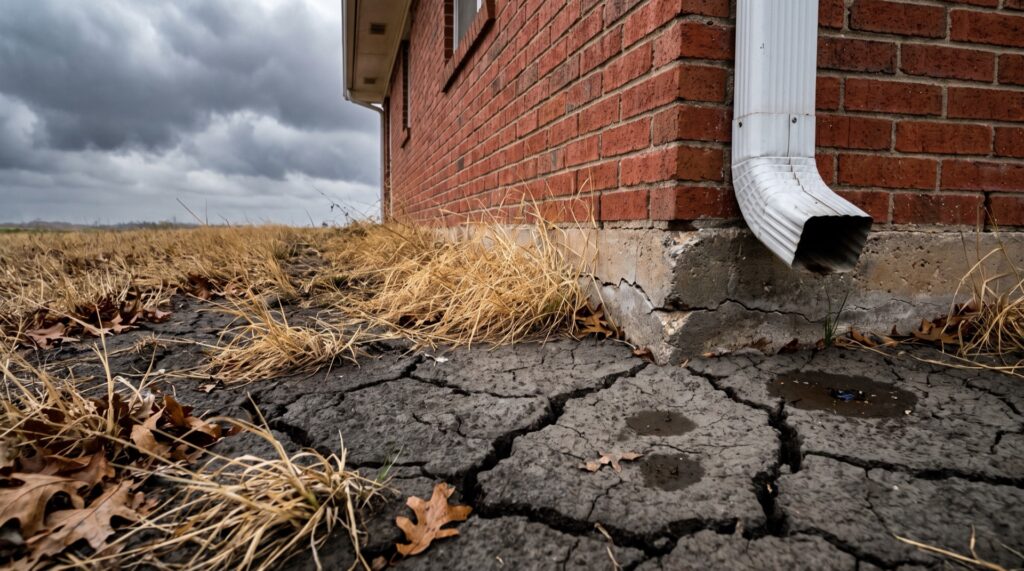
If a gutter is clogged, that water goes over the edge instead of down the downspout. It lands in a narrow strip right next to the house, which is the worst possible place for it. On the expansive clay soils common across Central Texas, that soaking makes the ground swell, and the dry spells that follow make it shrink. The International Residential Code calls for roof water to be discharged at least 5 feet from foundation walls where expansive soils are known to exist, and a clogged gutter defeats that goal entirely.
Regular maintenance keeps the water on the path you planned: roof, gutter, downspout, extension, and out into the yard.
Late winter and early spring after the live oak drop
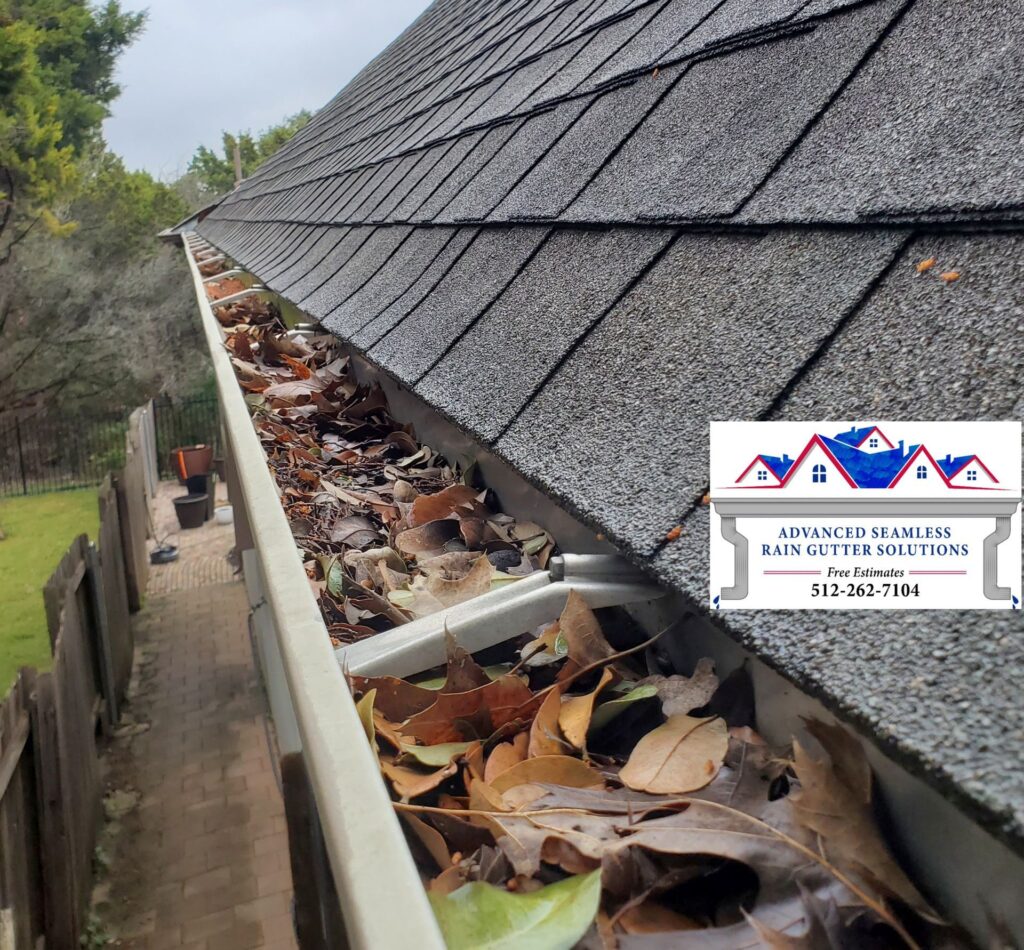
Many Central Texas homeowners are surprised by how much leaf litter shows up in their gutters in spring. The reason is the live oak. Texas A&M’s Plant Clinic explains that live oaks drop their old leaves as new leaves emerge in the spring, with the trees often looking sickly as temperatures rise in late January and February. That’s normal for the tree, but it fills gutters quickly.
Time your spring cleaning for after the leaf drop finishes, not before. Clean too early and the gutters will be full again before the storms arrive. While you’re up there, look for any damage left over from winter, such as loose hangers, cracked end caps or a section that’s pulled away from the fascia, the board your gutters hang from.
Spring storm season checks
Spring brings the first big thunderstorms of the year, so this is the time to make sure water can move freely from end to end.
- Run a garden hose into the high end of each gutter and watch where the water goes. It should flow steadily to the downspout without pooling in the middle of a run.
- Check each downspout for clogs. If water backs up at the top, a blockage is usually stuck at an elbow.
- Make sure every downspout has an extension or splash block that carries water away from the slab.
- After any hail or high wind, walk the house and look for dents, sagging runs or gutters pulled loose.
Water pooling in the middle of a run usually means the gutter has lost its slope toward the downspout. That’s a hanger or pitch problem rather than a cleaning problem, and it’s worth fixing before the next storm.
Summer heat, dry spells and pop-up storms
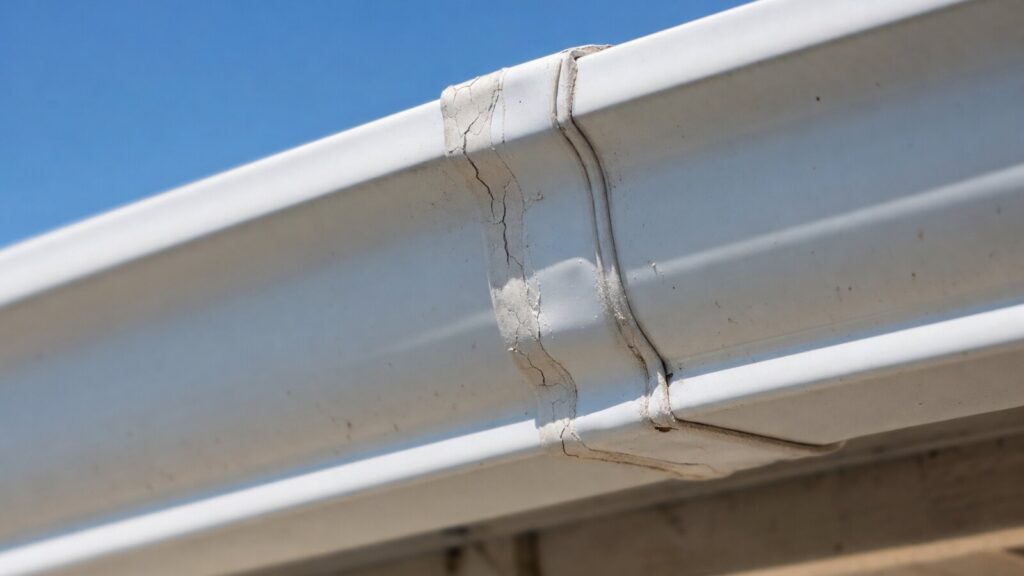
Texas summers are hard on the parts of a gutter that rely on sealant. Months of high heat dry out the sealant at corners, end caps and downspout outlets until it cracks. In summer, look for drips and stains at the joints, especially on the sunny side of the house. A small drip at a corner during a pop-up storm is the early sign of a joint that needs resealing.
Summer is also mosquito season. Any gutter that holds standing water after a rain, because of debris or poor slope, can become a breeding spot. Trim back branches that hang over the roof so less debris lands in the gutters, and fix any low spots that hold water. Both steps help prevent the issues that lead to leaks later.
Dry spells are a good time to look at the ground, too. If the soil next to the house has washed out under a downspout, or if you see gaps where the soil has pulled away from the slab, your drainage may need adjusting.
Fall rain and the second leaf load
Fall often brings Central Texas its hardest rain. Tropical moisture from the Gulf can stall over the region in September and October and drop several inches in a few hours. Our post on why September storms overwhelm undersized gutters explains how capacity, downspout count and slope work together during those storms.
Clean your gutters before the fall rains if you can, and again after the leaves finish dropping from pecans, red oaks and other deciduous trees. If your gutters overflow in a fall downpour even when they’re clean, the problem is likely size or downspout count, not maintenance.
Winter freeze prep
Central Texas freezes don’t come often, but when they do, they can be severe. Before a hard freeze, make sure gutters and downspouts are clear so melting ice can drain, and disconnect hoses and rain barrel diverters so trapped water can’t crack fittings. After the freeze, check for split seams, bent hangers and loose sections. Our winter tips for rain gutters cover the full checklist.
How to clean gutters safely
If you clean your own gutters, safety comes first. Use a sturdy ladder on level ground, and have someone hold it. Wear gloves and safety glasses to protect against sharp metal edges and falling debris. Never lean out past the ladder rails. Move the ladder instead.
Scoop debris by hand or with a small gutter scoop, starting near the downspout. A leaf blower can clear dry leaves quickly on a single-story roof if you’re comfortable working from the roof safely. Finish by flushing each run with a garden hose to clear the fine grit and confirm the downspouts are flowing. Avoid aiming a pressure washer at seams and end caps, because high pressure can force water behind the gutter and loosen sealant.
Two-story homes, steep roofs and gutters under heavy tree cover are where most people decide to hire it out. A professional crew has the right ladders, works safely at height, and can spot repairs while they clean. Gutter guards are another way to cut down on gutter cleaning if trees hang over your roof, though even guarded gutters need a look about twice a year.
Signs your gutters need more than a cleaning
Some problems won’t go away with a scoop and a hose. Call a pro if you notice:
- Gutters that overflow in heavy rain even when they’re clean
- Sagging runs, or gutters pulling away from the fascia
- Drips at seams or corners that come back after resealing
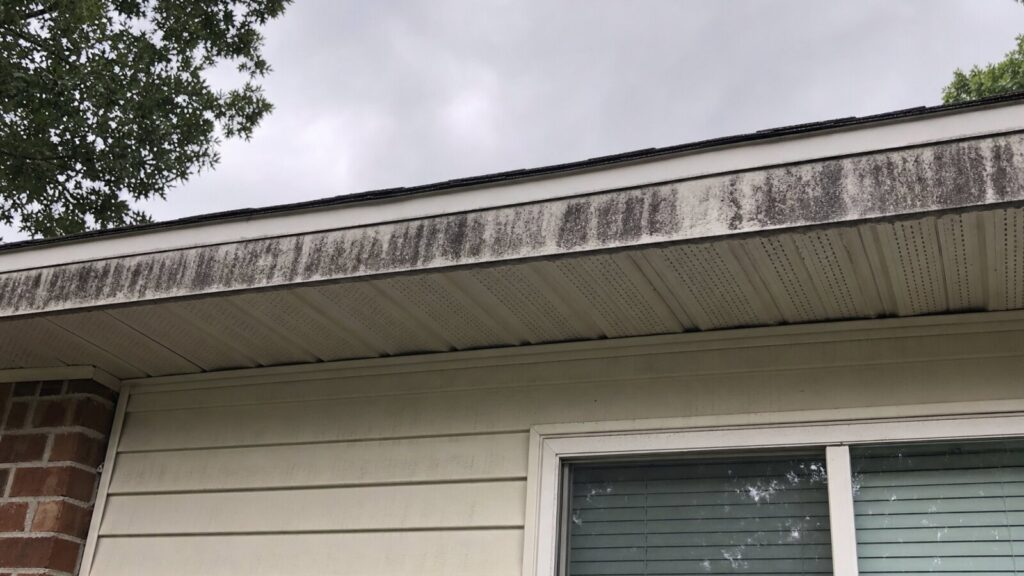
- Peeling paint, stains or soft wood on the fascia behind the gutter
- Water pooling or soil washing out next to the foundation
These usually point to slope, capacity, hanger or fascia problems, and left alone they turn into water damage. A professional repair and maintenance visit can sort out which one you’re dealing with and fix it before the next big storm.
Keep your gutters ready for every season
Gutters Made Easy is a family-owned company based in Kyle, serving homeowners across Central Texas. Owner Tyler Smith has more than 20 years of hands-on gutter and sheet-metal experience, and our crew handles cleaning, repairs and new seamless gutters fabricated on-site.
If your gutters are overflowing, sagging or just overdue for attention, see our gutter repair and upkeep service or call us at (512) 881-9204 for a free estimate.