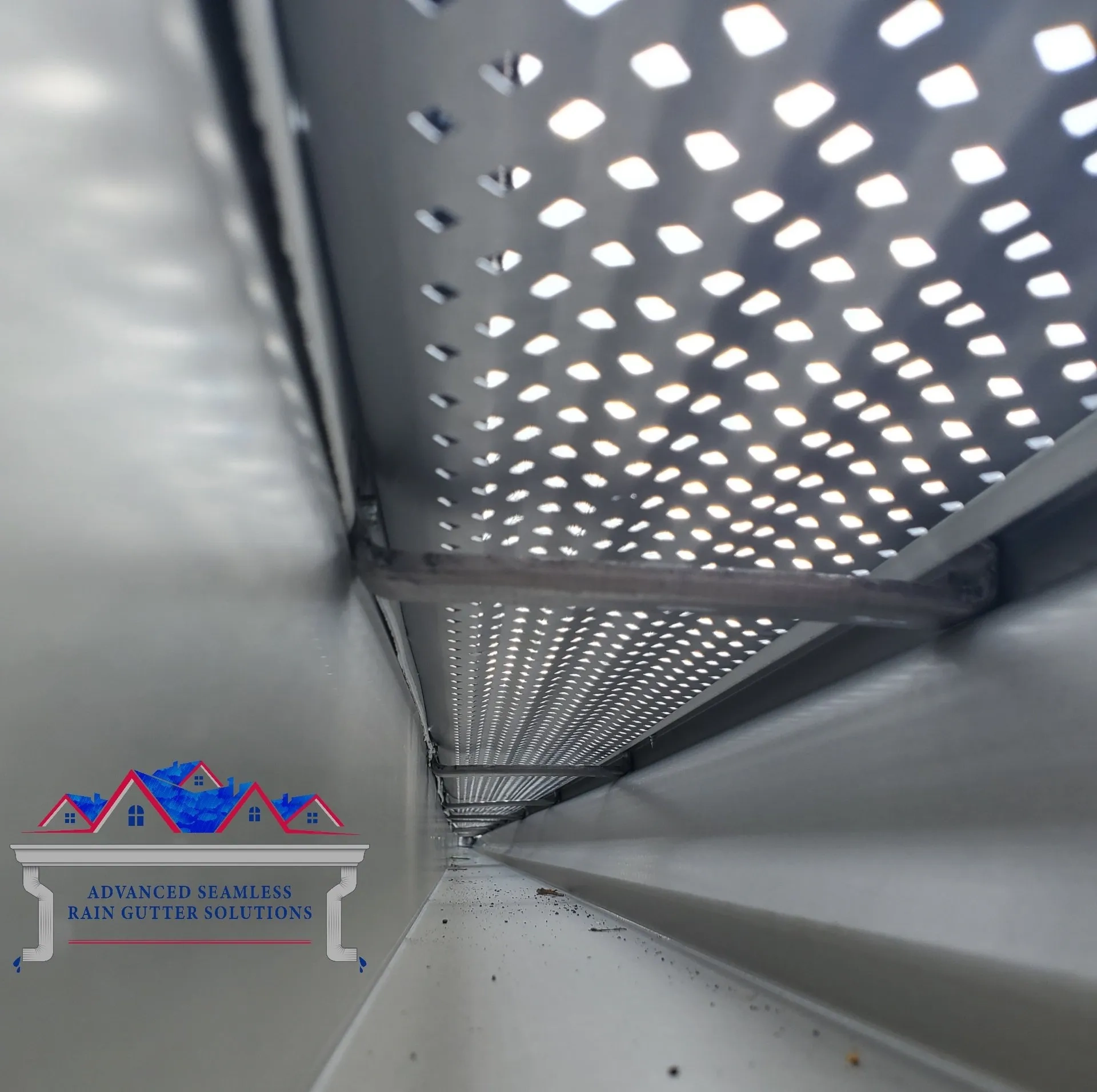
Eco-Guard is the leaf protection system we install on Central Texas gutters to keep leaves and twigs out of the trough so rainwater keeps moving. It mounts securely into the gutter, uses a wave design that pushes stuck leaves off the top so the wind can carry them away, and works on new seamless gutters or on many existing systems. For homes under live oaks, pecans or cedar, it can cut down how often you need a ladder.
Below, we’ll explain how Eco-Guard works, what clogged gutters actually cost a Texas home, how it compares to other kinds of gutter guards, and how to decide whether leaf protection is worth it for your house.
How Eco-Guard leaf protection works
Eco-Guard is built to block leaves while letting water through. It’s engineered to keep leaves from entering the gutter and clogging it, which helps prevent water from spilling over the front edge in heavy rain.
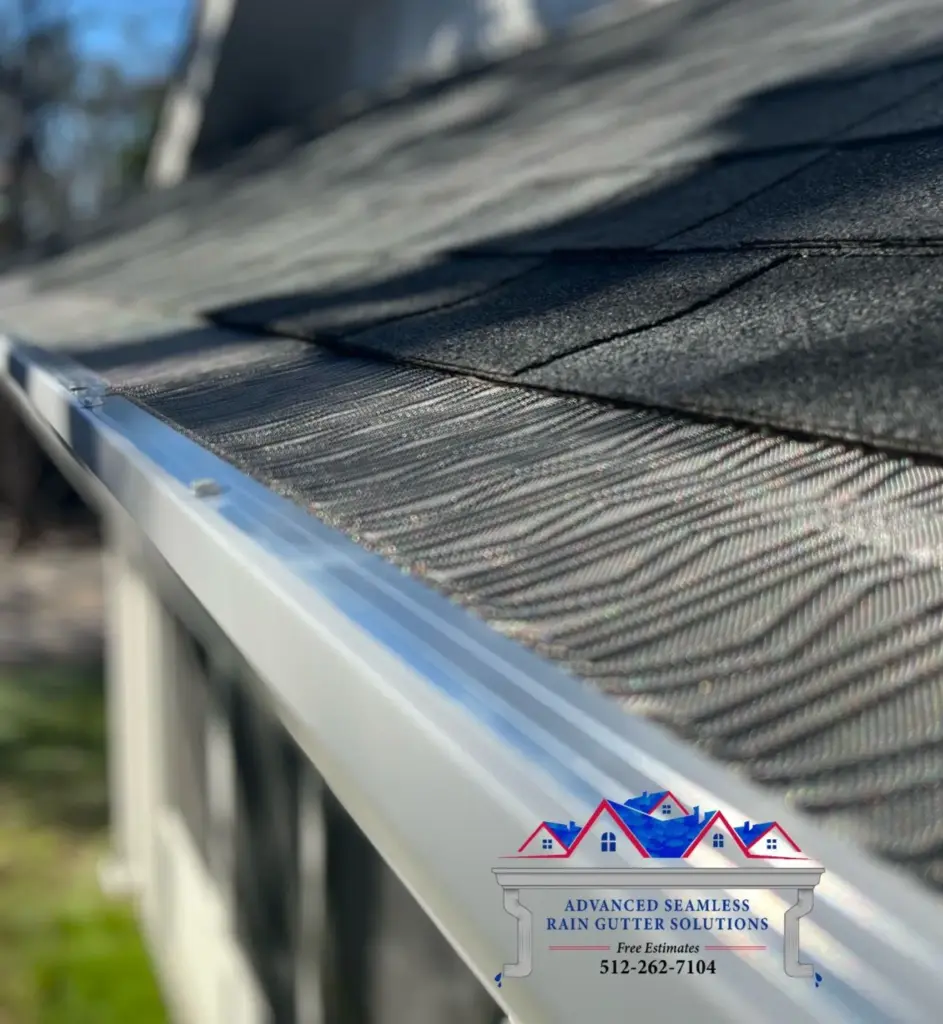
The key feature is its wave shape. When a leaf gets stuck on the top channel, the wave helps push it up and off, so the wind can lift the debris away instead of letting it mat down over the gutter. That’s what keeps the system flowing between cleanings.
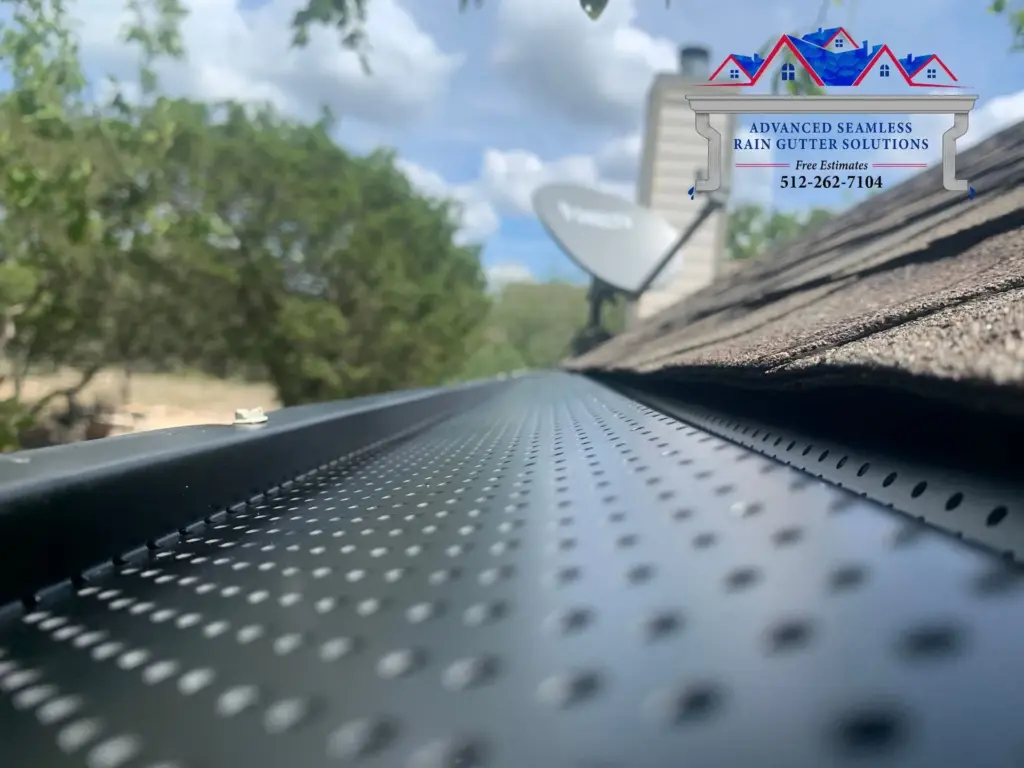
Eco-Guard mounts securely into the gutter system, so it stays put in wind and storms. That secure fit has a side benefit: it can help keep squirrels and other small rodents from nesting in your gutters. Our crew can install it on your home’s existing gutter system or add it as part of a new seamless gutter installation.
What clogged gutters cost a Texas home
A gutter that’s packed with leaves can’t carry water. In a hard Central Texas rain, the water backs up and pours over the front edge, right at the base of the wall. That causes a chain of problems:
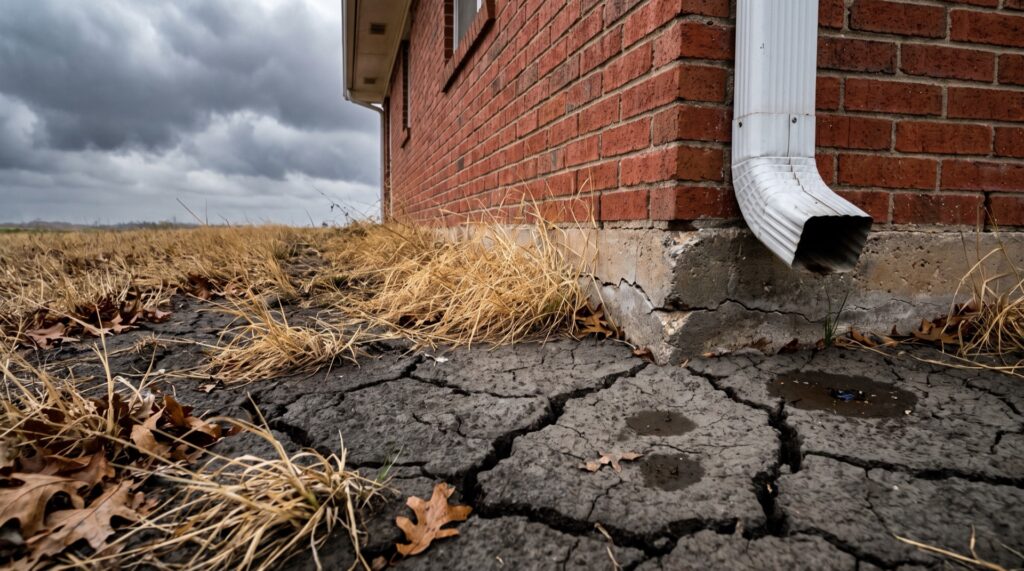
- Foundation stress. Overflow soaks the soil against the slab. On expansive clay, that wet and dry cycle makes the ground swell and shrink against the foundation.
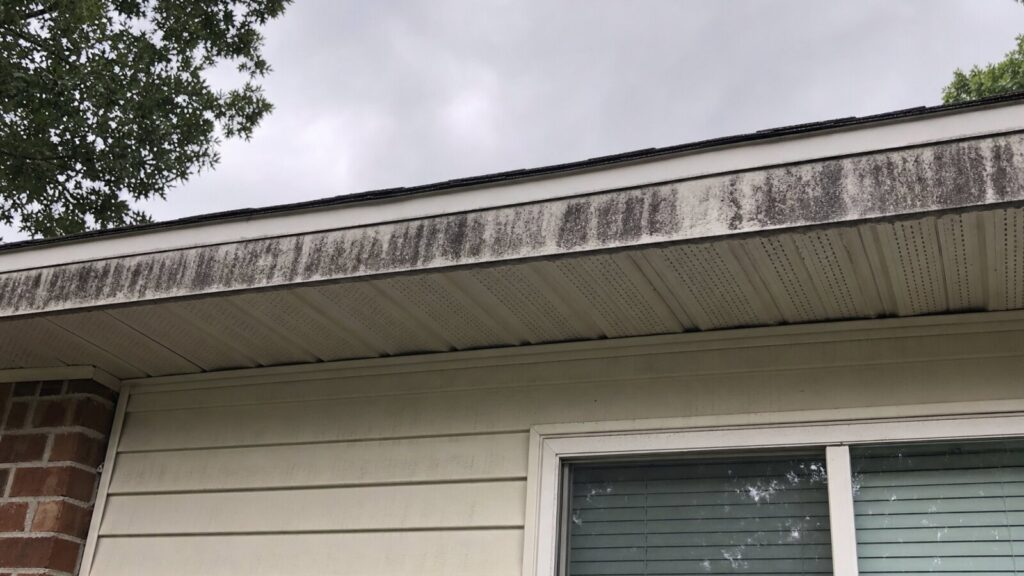
- Fascia and roof edge rot. Water trapped in a clogged gutter sits against the fascia, the board your gutters hang from, and can work its way under the roof edge.
- Washed-out beds and stained siding. Water sheeting off the gutter splashes mud up the walls and carves out landscaping.
- Pests and mold. Standing water and wet debris attract mosquitoes and other insects, and constant moisture invites mold and mildew on the exterior.
Heavy loads of wet leaves also add weight. Over time, that weight can pull gutters loose from their hangers, which leads to sagging runs and more overflow.
Why Central Texas trees keep gutters busy all year
Many people think of gutter cleaning as a fall chore. In Central Texas, that’s only half the story. Live oaks, a common shade tree across Central Texas, drop their old leaves in spring as the new ones come in. Texas A&M’s Plant Clinic notes that live oaks can look sickly as temperatures rise in late January and February, and that they drop their old leaves as new leaves emerge in the spring, which is normal for the tree.
That means a home under live oaks gets a heavy leaf load in late winter and spring, right before spring storm season, and then another round from other trees in the fall. Add cedar debris, oak tassels and pecan leaves, and an unprotected gutter under mature trees can clog more than once a year. Leaf protection keeps most of that out of the trough so the gutter is ready when the storms arrive.
Homes on steep, wooded lots have it even harder. Our post on gutter guards for steep cedar lots around Canyon Lake covers how heavy tree cover and slope change the way we set up guards and downspouts.
How Eco-Guard compares to other gutter guards
There are several types of gutter guards and gutter covers on the market, and each of these products handles debris a little differently. Here’s how the main kinds of gutter protection compare.
Mesh screens are metal or plastic panels with small openings that let water through while keeping leaves out. They’re common and widely available, from plastic screens to stainless steel micro-mesh, and the size of the openings decides how much fine debris, like pine needles and oak tassels, gets through.
Foam inserts sit inside the gutter and block debris from settling in the trough. Because they sit inside, anything that does get in collects in the foam itself rather than on top where you can see it.
Eco-Guard sits on the gutter and relies on its wave design to move leaves off the top channel. Every guard type has trade-offs, and the right one depends on what’s falling on your roof. We’ll look at your trees and roof and tell you honestly which kind of leaf protection makes sense.
Do gutter guards mean no more cleaning?
No. Gutter guards reduce cleaning a lot, but they don’t end it. Any guard can collect a layer of debris on top, especially after the spring live oak drop or a windy fall storm. Plan to look at your gutters at least twice a year and clear anything sitting on the guards. It’s also smart to check the downspouts, since small debris that does get through tends to collect at the outlets.
What guards change is the job itself. Instead of scooping wet, rotting leaves out of the trough, you’re usually brushing or blowing dry debris off the top. For a full year-round routine, see our season-by-season gutter maintenance guide.
Why the fit matters
A gutter guard only works if it fits the gutter tightly and is secured along its full length. Gaps let leaves slip underneath. A guard that isn’t fastened well can lift in the wind or pull away from the roofline, which can cause the very overflow it was supposed to stop.
That’s why we install leaf protection as part of a properly set-up gutter system. The gutters need the right pitch toward the downspouts and solid hangers before any guard goes on top. Because we fabricate seamless gutters on-site and work on gutters every day, we can check those basics while we’re up there. You can see the leaf protection options we install for both new and existing gutters.
Is Eco-Guard worth it for your home?
Leaf protection pays off most when trees hang over the roof. If you have live oaks, pecans or cedar nearby and you clean your gutters more than once a year, guards will likely save you time and protect against overflow during storms. They’re also worth a close look on two-story homes, where every cleanout means a tall ladder.
The value shows up over years, not the first season. Fewer clogs mean fewer overflow events soaking the soil by your slab, less water sitting against the fascia, and less weight pulling on the hangers. Gutters that stay clear also tend to last longer, because they spend less time holding wet, rotting debris against the metal. Add the cleanouts you no longer have to do or pay for, and leaf protection often earns its keep on a tree-heavy lot.
If your house sits in the open with no trees nearby, you may not need guards at all. A twice-a-year cleaning could be enough. We’ll tell you which situation you’re in.
Get leaf protection on your gutters
Gutters Made Easy is a family-owned company based in Kyle, and owner Tyler Smith has more than 20 years of hands-on gutter and sheet-metal experience. We install Eco-Guard and other leaf protection on new seamless gutters and on existing systems across Central Texas.
To find out what would work on your house, look over our gutter guard and leaf protection choices or call us at (512) 881-9204 for a free estimate.